Microbiology Course – Level 4
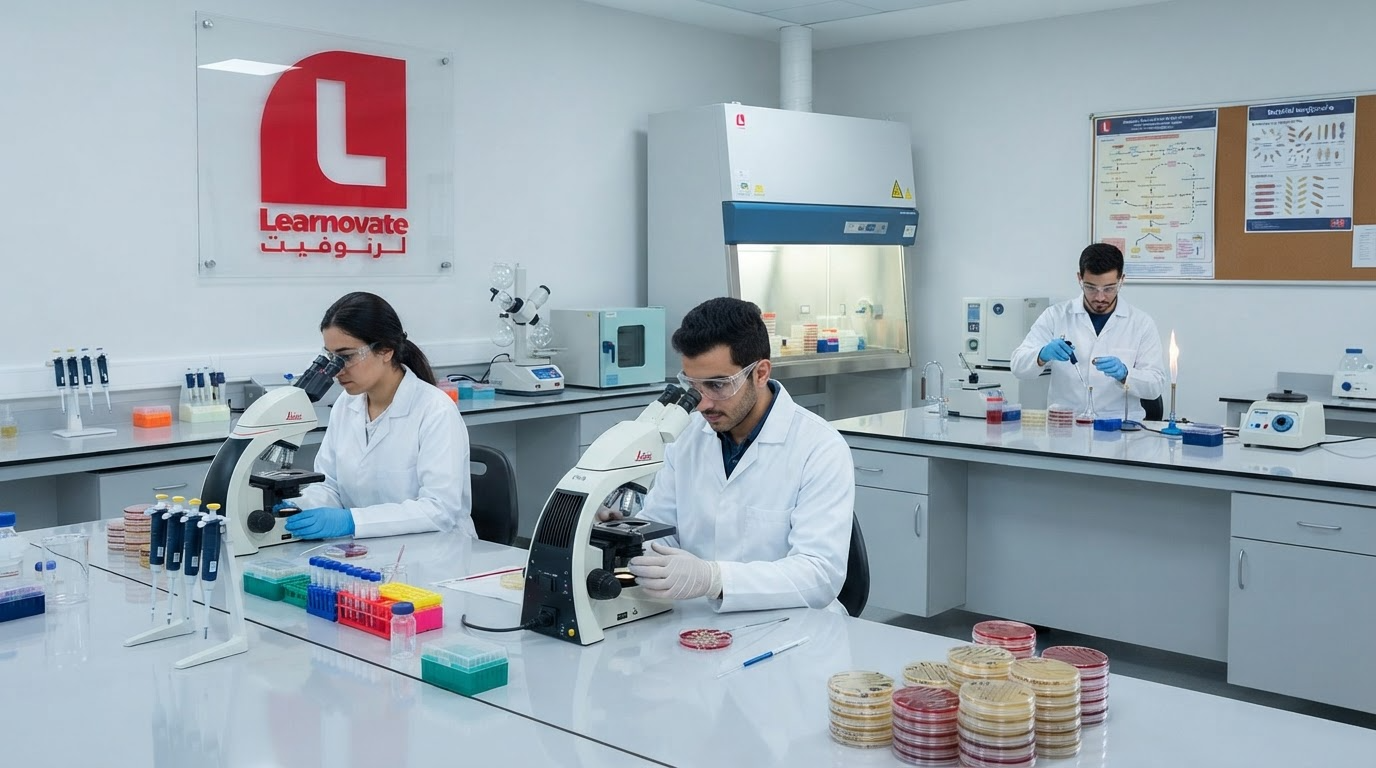
Course Overview: The Microbiology Course – Level 4 is designed for learners who want to develop a strong foundation in microbiology and the role of microorganisms in health, disease, food, water and the environment. This course introduces learners to bacteria, viruses, fungi, parasites, microbial growth, laboratory safety, microscopy, staining, culture techniques, specimen handling, sterilization, disinfection, infectious diseases, environmental microbiology and antimicrobial resistance. The programme is suitable for beginners, healthcare learners, laboratory support staff, science students and professionals who want to strengthen their understanding of microbiology for healthcare, laboratory, food safety, environmental and quality-control settings.
Learners will gain practical awareness of safe laboratory practice, contamination prevention, sample handling, basic microbial observation, documentation and infection-control procedures.
Curriculum
- 12 Sections
- 60 Lessons
- 12 Weeks
- Module 1: Introduction to MicrobiologyOverview of microbiology, history, importance, branches of microbiology, and the role of microorganisms in health, disease, food, and environment.5
- Module 2: Classification of MicroorganismsStudy of bacteria, viruses, fungi, protozoa, parasites, and other microorganisms, including their structure, characteristics, and basic classification.5
- Module 3: Basic Cell BiologyUnderstanding prokaryotic and eukaryotic cells, cell structure, cell functions, and differences between microbial cells and human cells.5
- Module 4: Microbial Growth and NutritionFactors affecting microbial growth, nutritional requirements, growth phases, temperature, pH, oxygen requirements, and environmental conditions.5
- Module 5: Laboratory Safety and BiosafetySafe laboratory practices, personal protective equipment, hazard awareness, sterilization, disinfection, waste disposal, and prevention of contamination.5
- Module 6: Microscopy and Staining TechniquesIntroduction to microscopes, slide preparation, simple staining, Gram staining, and basic observation of microorganisms.5
- Module 7: Culture Media and Microbial Culture TechniquesTypes of culture media, preparation methods, inoculation techniques, incubation, colony observation, and basic culture interpretation.5
- Module 8: Sterilization and Disinfection MethodsPrinciples of sterilization, autoclaving, dry heat, filtration, chemical disinfectants, antiseptics, and infection control applications.5
- Module 9: Medical Microbiology and Infectious DiseasesCommon disease-causing microorganisms, routes of infection, host defense, communicable diseases, and the importance of early detection.5
- Module 10: Specimen Collection and HandlingBasic principles of specimen collection, labeling, transport, storage, contamination prevention, and laboratory documentation.5
- Module 11: Food, Water, and Environmental MicrobiologyMicroorganisms in food, water, and environment, food spoilage, foodborne illness, water quality testing, hygiene, and quality control.5
- Module 12: Antibiotics, Antimicrobial Resistance, and Infection ControlIntroduction to antibiotics, antimicrobial resistance, prevention of infection spread, hospital infection control, and responsible antimicrobial practices.5

Interested in this course?
Chat with our AI advisor — we'll answer your questions, check availability, and get you enrolled.
Our team typically responds within minutes.